Functional feeds, also known as 기능성 사료, are specially designed animal feeds intended to address specific nutritional requirements beyond basic dietary needs. These feeds aim to enhance animal health, boost productivity, and improve product quality by incorporating essential nutrients, vitamins, and other beneficial components. This article explores the role of functional feeds in the agricultural industry, their unique benefits, and emerging trends in their utilization.
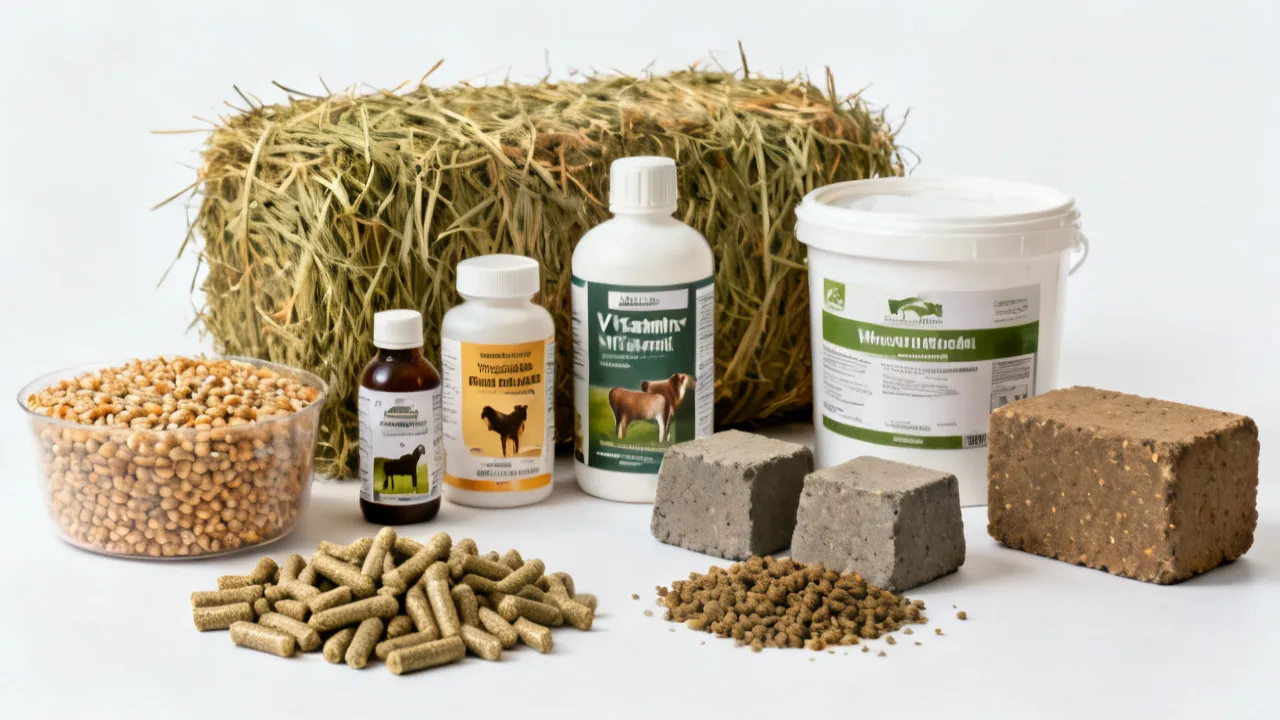
Functional feeds, or 기능성 사료 in Korean, are gaining traction within the animal nutrition sector. Unlike conventional feeds, which primarily provide basic nutrients for growth and sustenance, functional feeds are meticulously formulated to deliver additional health benefits. They cater to various animals including livestock, poultry, and aquaculture species, enhancing growth rates, improving immunity, and optimizing reproductive performance. The importance of functional feeds is increasingly recognized as the agricultural industry shifts towards more sustainable and health-focused practices.
Furthermore, the rise of functional feeds can be attributed to the growing consumer demand for higher-quality animal products. Today’s consumers are more aware than ever about the health of the animals that produce their food, and they seek products that reflect ethical and sustainable practices. As a result, farmers and producers are adopting innovative practices like functional feeding strategies to meet these market expectations. This makes understanding and implementing functional feeds not only beneficial for animal health but also essential for business viability in a competitive agricultural landscape.
The primary goal of functional feeds is to foster optimal health and productivity in animals. This is achieved by incorporating bioactive compounds such as probiotics, prebiotics, enzymes, and antioxidants, among others. Research indicates that these components play a critical role in gut health, nutrient absorption, and disease resistance, leading to healthier livestock and higher-quality produce. For example, probiotics aid in beneficial gut flora balance, while enzymes enhance nutrient breakdown and assimilation.
Probiotics, which are live microorganisms that confer health benefits to the host when administered in adequate amounts, help maintain a balanced gut microbiome. This balance is crucial in preventing pathogens from proliferating, thereby improving animal health and resilience. Adding prebiotics, which are non-digestible food ingredients that promote the growth of beneficial microorganisms, encourages a favorable gut environment that supports digestion and nutrient uptake.
Enzymes, on the other hand, break down complex nutrients in feeds, making them more digestible and bioavailable for the animals. For instance, phytase enzyme can degrade phytic acid in cereals which reduces phosphorus levels in excretion, thereby benefiting the environment. Antioxidants help protect cells from oxidative stress, enhance immune function, and can even extend shelf life for feed products. Together, these ingredients form the cornerstone of functional feeds and represent a substantial advancement in animal nutrition.
In the poultry industry, functional feeds have been pivotal in reducing the incidence of digestive disorders and optimizing egg production. Specific formulations can target issues such as coccidiosis and necrotic enteritis, resulting in healthier birds and reduced mortality rates. Similarly, in aquaculture, they help in minimizing disease outbreaks and promoting efficient nutrient utilization, which is essential as water resources become increasingly challenged by overfishing and pollution.
The swine sector benefits greatly from functional feeds through improved gut health, leading to better litter performance and reduced feed costs. Research has shown that pigs fed functional diets tend to show enhanced feed conversion ratios and overall growth performance, ultimately resulting in more marketable animals.
Ruminants also experience significant advantages from functional feeds. For dairy cattle, these feeds can enhance milk composition and yield, contributing to premium-grade dairy products with higher fat and protein content. Moreover, incorporating functional feeds can help mitigate the effects of stressors associated with intensive farming practices, ensuring that animals remain productive throughout different stages of their life cycle.
Current research in the functionality of animal feeds explores the integration of novel ingredients such as seaweeds, insect meal, and fermented plant products. As sustainability becomes a priority, these components offer eco-friendly alternatives with potential high nutritional value. For instance, insect protein provides a highly digestible amino acid profile and has a lower environmental footprint than traditional feed sources like fishmeal. Seaweeds, known for their anti-inflammatory and antioxidant properties, can also improve gut health and provide key micronutrients.
Moreover, advancements in feed technology are facilitating precise formulation and delivery, ensuring that animals receive tailored nutrition aligned with their developmental stage and health needs. The use of artificial intelligence and machine learning models in formulating these feeds allows for customized diets based on real-time data about animal performance and health status. This technology is advancing rapidly and has the potential to significantly optimize feeding strategies and improve overall farm management.
When selecting functional feeds, several factors should be considered to meet the specific requirements of the animals:
Incorporating functional feeds into animal nutrition represents a significant step forward in improving agricultural outputs while promoting animal welfare. As research continues to unveil new ingredients and formulation methods, the potential of functional feeds to revolutionize livestock production remains immense. Such innovation is crucial not only for enhancing farm productivity but also for addressing the global challenge of food security amid a growing population.
For farmers and producers, adopting these innovative feed solutions could enhance sustainability and profitability in the long run. By investing in functional feeding strategies, they can not only improve the health and efficiency of their livestock but also align with modern consumer expectations for higher quality and more ethically produced food. Ultimately, the shift towards functional feeds marks a transformative journey within agriculture, paving the way for a resilient, sustainable, and health-oriented future in the sector.
The conversation around functional feeds brings to light broader implications for animal agriculture and food production systems worldwide. As we confront the challenges of climate change, the sustainability of food systems, and rising health concerns about the use of antibiotics in livestock, the role of functional feeds becomes even more critical.
One of the most pressing issues in modern agriculture is the environmental impact of livestock production. Conventional feeding practices often entail high levels of waste, inefficiencies in nutrient use, and a notable carbon footprint. However, functional feeds can potentially mitigate many of these challenges. By improving nutrient utilization, these feeds can reduce the amount of feed needed, subsequently decreasing greenhouse gas emissions from manure management and livestock themselves. Furthermore, with the careful selection of ingredients such as seaweed and insect protein, suppliers can minimize the use of traditional resources that may have larger ecological impacts.
Moreover, functional feeds can contribute to improved animal health, leading to reductions in disease outbreaks. This could directly correlate with lower antibiotic usage, a priority for many regulatory bodies and health organizations concerned about antibiotic resistance. In cases where functional feeds are effectively integrated into livestock diets, farmers report fewer cases of illness and a marked decrease in veterinary costs associated with disease management.
The development and adoption of functional feeds are not confined to specific regions or types of farming. Across the globe, different countries are experiencing the benefits of these innovations and translating them into practice.
In Europe, for instance, there is a strong focus on organic and sustainable farming practices that support the use of functional feeds. The European Union actively promotes research into alternative protein sources and bioactive compounds to enhance livestock welfare and assure consumer confidence in food safety. Many European nations have stringent legislation that encourages the use of such feeds while reducing reliance on antibiotics, which aligns with public health goals.
In the United States, the trend is similar, with a notable increase in research funding aimed at developing functional feed products. Universities and agricultural universities are investing in innovative feed formulations incorporating new age ingredients and technology. This effort serves a dual purpose: improving farm profitability while addressing the growing consumer demand for responsibly sourced meat and dairy products. Moreover, some U.S. farmers are applying principles from holistic management practices, incorporating functional feeds as a part of a broader strategy to improve soil health and ecosystem services provided by their farms.
In Asia, particularly in countries like China and Japan, functional feeds are being utilized to enhance aquaculture productivity. Given the rise of aquaculture as a critical food production method, there is a significant push towards incorporating functional feeds that not only support fish health but also improve the sustainability of fish farming practices. Researchers there are focused on addressing specific regional challenges and developing feeds that can enhance the growth rates and health of various aquatic species.
Looking ahead, the future of functional feeds appears promising with advancements in research and technology. As food production continues to evolve, the focus will likely expand on integrating data science with nutritional strategies. Precision feeding systems that utilize big data can further personalize diets, enhancing health outcomes across diverse animal populations.
Moreover, the continued exploration of unconventional ingredients will provide opportunities to address various nutritional gaps. As industries explore the potential of local resources such as agricultural by-products or novel plant materials, functional feeds will likely become more adaptable and regionally relevant, paving the way for localized feedstock solutions that could enhance regional food security.
Furthermore, collaboration between academia, industry, and farmers will drive innovation in functional feed development. Partnerships could lead to shared knowledge and resources, unleashing new potential in the formulation of feeds that could cater to specific health issues or production challenges across animal species. Globally, this strengthening of collaborations will not only enhance animal welfare and productivity but also support the overarching goal of creating sustainable food systems.
In conclusion, functional feeds represent a multifaceted solution addressing the intertwined challenges of animal health, food quality, and environmental sustainability. The ripple effects of adopting these innovative feeding strategies extend far beyond farm gates, offering pathways toward more resilient food systems capable of meeting the demands of a growing world population.
As we collectively navigate the future of agriculture, it remains crucial to continue advocating for research, investment, and adoption of functional feeds that prioritize not only animal welfare but also the health of ecosystems. The advancement in this sector could signify a landmark shift towards a more sustainable mode of food production—signifying that in aiming for greater productivity, we can also pursue better stewardship of our planet.




Receiving a lung cancer diagnosis is not only a medical shock but an emotional one as well, particularly when it comes to telling your family. These heart-to-heart talks are laden with feelings and pose difficulties for everyone involved. To navigate these discussions about a lung cancer diagnosis with your loved ones, consider the following strategies.

Selecting an adept dental implant specialist is crucial, as it significantly impacts the success of your procedure and satisfaction with the experience. Carefully evaluating factors and the specialist's qualifications ensures their proficiency and capacity to meet your individual needs. This resource will shed light on key points and tactics for making an informed choice that promises excellent outcomes and a positive procedural journey.

Heartis Eagle Mountain is at the forefront of senior living communities, offering comprehensive care and lifestyle options for older adults nearby. Located in a picturesque environment, it combines comfort with high-quality services to support various needs. As an example of pristine senior living, Heartis Eagle Mountain provides a blend of independent lifestyle, assisted living, and memory care, tailored to the individual requirements of its residents.

Globally, lung cancer ranks as a top cause of cancer mortality, often going unnoticed due to its initially understated symptoms. Prompt recognition leads to better survival rates and therapeutic results, highlighting the importance of awareness in combating this dangerous illness. We explore five key early warning signs to help identify lung cancer sooner.

Participating in athletics and fitness regimens is undoubtedly beneficial for one's overall fitness. Yet, such endeavors carry inherent dangers, including potential harm to one's oral region. Taking strategic measures can, however, safeguard your dental health, allowing you to revel in the sports you love.

Choosing an expert for your dental implant surgery is crucial, as it greatly impacts the final result. The right expert, who is knowledgeable, seasoned, and caring, can enhance the likelihood of success, making the procedure efficient, effective, and comfortable. This detailed guide aims to help you find a dental implant specialist aligned with your needs, ensuring a gratifying outcome.

