This guide provides insights into choosing between dental implants (임플란트) and dentures (틀니). Dental implants are artificial roots for missing teeth, offering durability, while dentures are removable prosthetics. We explore costs, processes, and FAQs to help individuals make an informed decision regarding their oral health.

In the realm of dental care, the decision between opting for 임플란트 (dental implants) and 틀니 (dentures) often arises when individuals face the challenge of tooth loss. Both options have substantial benefits and considerations, making it vital to comprehend their nuances fully. This article aims to provide in-depth information regarding both dental solutions, catering to individual needs and preferences, while also addressing common concerns associated with both treatments.
Dental implants are renowned for their longevity and function. Essentially, they are prosthetic roots embedded into the jawbone to support a replacement tooth or bridge. The effectiveness stems from their ability to mimic the stability and functionality of natural teeth. Often made from titanium, these implants bond with bone through a process known as osseointegration, ensuring a stable foundation for the artificial tooth.
One of the standout features of dental implants is their durability. They provide a long-term solution, with many implants lasting 10 to 30 years, or even a lifetime, depending on the patient’s oral hygiene and health. This longevity offsets the initial investment, as patients often find they require fewer replacements and repairs compared to dentures, which can become less effective over time.
The procedure for getting dental implants generally involves multiple stages, starting with a thorough dental examination including X-rays to assess bone density. Afterward, the implant is surgically placed into the jawbone, followed by a healing period of several months where osseointegration occurs. Finally, an abutment and crown are placed on the implant. This process, while involved, leads to a secure and natural-feeling tooth replacement.
Dentures, alternatively, are removable prosthetic appliances designed to replace missing teeth. Composed of acrylic or metal frameworks, they provide an affordable and non-invasive solution for individuals hesitant about surgical procedures. While dentures require adjustment and occasional refitting, modern advancements make them more comfortable and aesthetically pleasing.
Dentures are available in two main types: complete dentures, which replace all missing teeth, and partial dentures, which fill gaps caused by missing teeth while maintaining remaining natural teeth. Complete dentures are typically recommended for those who have lost all teeth in either the upper or lower jaw, while partial dentures can be customized to fit around existing teeth, blending seamlessly with natural gums and providing added support.
The maintenance of dentures involves daily cleaning and proper care to ensure their longevity. Users must be vigilant about removing them at night to allow the gums to rest and for oral hygiene practices to continue without obstruction. Although some patients may initially struggle with adaptation and comfort, many find that they adjust well over time, allowing them to enjoy their favorite foods and social interactions more easily.
| Country | Currency | Implant Cost Range |
|---|---|---|
| United States (US) | USD | $3,000 - $6,000 |
| United Kingdom (GB) | GBP | £2,000 - £2,500 |
| Australia (AU) | AUD | AU$3,500 - AU$6,500 |
| Canada (CA) | CAD | CA$2,500 - CA$5,000 |
| India (IN) | INR | ₹30,000 - ₹70,000 |
The expense of dental implants and dentures can vary significantly depending on geographic location, healthcare systems, and material quality. It is vital to evaluate these costs alongside personal financial situations and healthcare insurance plans. While implants generally cost more upfront, their long-term benefits should also be considered. Conversely, dentures may be more budget-friendly initially but might lead to higher cumulative costs over time due to the need for replacements or adjustments.
For individuals seeking affordable solutions within English-speaking countries, several online resources provide detailed information about low-cost dental implants:
| Provider | Description |
|---|---|
| Dental Views | This website provides comprehensive details on affordable implants, discussing various treatment types and costs. |
| Atlantic Dental Group | Offers information about multiple dental services, including implants and pricing details. |
| DentaVacation | Focuses on dental tourism options, showcasing cost-effective treatments available abroad. |
| Smile and Save | Helps patients find discounts on various dental procedures, including implants, through participating clinics. |
Sources: [Dental Views](https://dentalviews.com/low-cost-dental-implants/), [Atlantic Dental Group](https://www.atlanticdentalgrp.com/), [DentaVacation](https://www.dentavacation.com/), [Smile and Save](https://smileandsave.com).
In English-speaking regions, patients can lower implant fees by considering factors such as dental tourism, insurance plans that partially cover costs, and dental schools offering reduced-price services conducted by supervised students. It is essential for patients to research these avenues to find the best fit for their needs.
Dental tourism, for instance, has gained popularity as countries with lower healthcare costs—like Mexico, Costa Rica, and Thailand—offer high-quality dental services for a fraction of the price compared to Western countries. Many clinics in these countries are equipped with modern facilities and trained professionals who adhere to international standards, making them viable options for patients seeking affordable dental care.
Furthermore, understanding one’s dental insurance is crucial. Some insurance plans may cover a portion of the implant costs, which could significantly decrease out-of-pocket expenses. Patients should consult with their insurance providers to ascertain coverage details and limitations.
Lastly, dental schools often provide high-quality care at reduced prices. Supervised students perform various dental procedures, including implants, under the watchful eyes of experienced faculty members. This option allows patients to receive professional treatment while helping students gain valuable hands-on experience.
| Question | Answer |
|---|---|
| How long do dental implants last? | With proper care and maintenance, dental implants can last a lifetime. |
| Are dentures difficult to maintain? | Dentures require daily cleaning and occasional adjustments or replacements. |
| Which option is more comfortable? | Many individuals find implants more comfortable as they feel like natural teeth. |
| What is the recovery time for dental implants? | Recovery can vary, but initial healing typically takes 1-2 weeks, followed by several months for complete integration. |
| Are implants better than dentures for eating? | Yes, implant-supported teeth function similar to natural teeth, allowing for better chewing and eating experiences. |
The future of dental technology continues to advance, promising new and improved methods for tooth replacement. Innovations in materials and techniques can offer more accessible and comfortable solutions, enhancing patient satisfaction across the board. One promising development is the use of 3D printing technology in dental implants, which can reduce production times and costs while customizing implants for individual patients.
Additionally, research in regenerative dentistry is exploring the potential for bioengineered teeth, which could revolutionize the field by allowing for the growth of natural teeth replacements. Innovations such as stem cell therapy are also being studied, which may one day lead to the regeneration of lost teeth without the need for implants or dentures.
Moreover, patients can expect more comprehensive digital solutions for planning and diagnostics, including virtual consultations and AI-driven treatment plans that can optimize outcomes while streamlining the patient experience. This shift towards more technological integration in dentistry can improve accessibility to care and enhance the overall treatment journey.
Moreover, advancements in tele-dentistry can provide easier access to consultations and follow-ups, especially for those living in remote areas. Patients will have greater access to expertise, enabling them to make more informed decisions about their dental health. Such trends indicate a bright future for dental solutions, as innovations continually aim to enhance patient care and comfort while addressing the persistent issues of tooth loss.
The decision to choose between dental implants and dentures should involve careful consideration of personal circumstances, health needs, and financial constraints. It is prudent for patients to have thorough discussions with healthcare professionals, exploring all available options and factors that may influence their decision. Comprehensive dental assessments, preferences regarding functionality and aesthetics, budgetary considerations, and long-term goals must all be factored into this decision-making process.
Ultimately, both dental implants and dentures have unique contributions to restorative dentistry, each capable of significantly improving the quality of life for individuals with missing teeth. As ongoing innovation continues to shape the dental landscape, individuals can expect increasingly effective and individualized solutions to cater to their dental health needs. With ongoing innovation and readily available information, individuals can make informed choices to improve their dental health.
Disclaimer: The above information comes from online resources, and the data is as of October 2023. Dental implant prices are for reference only and may vary by region, clinic, and doctor.
Reference Links: [Dental Views](https://dentalviews.com/low-cost-dental-implants/), [Atlantic Dental Group](https://www.atlanticdentalgrp.com/), [DentaVacation](https://www.dentavacation.com/), [Smile and Save](https://smileandsave.com)



Discover full dental implants in one day, pricing options, and funding availability for seniors.

Discover low-cost dental implants and financing options for seniors near you. Learn how to achieve a beautiful smile without breaking the bank.

Discover affordable same-day dental implants near you, including full mouth options and low-cost alternatives.
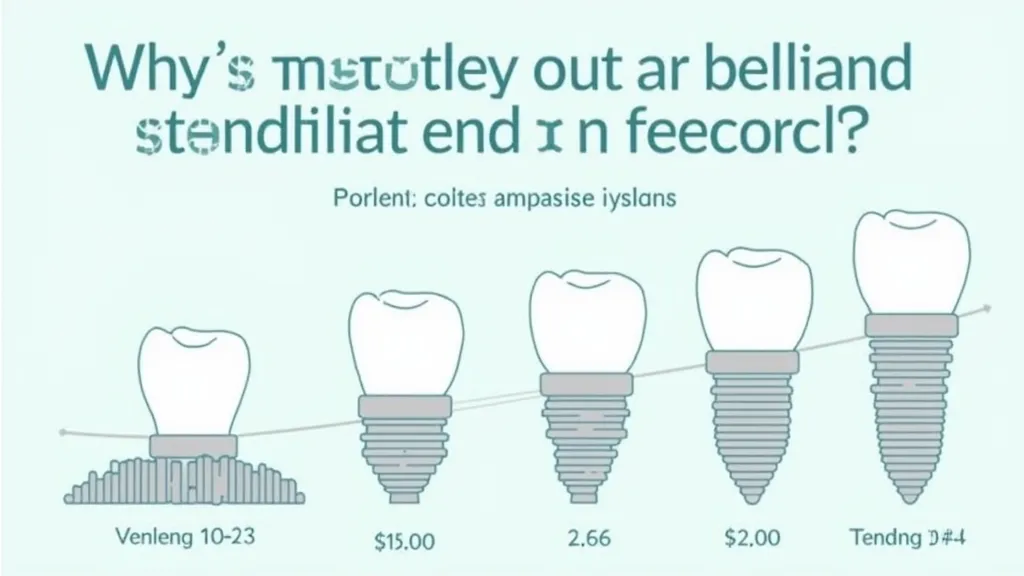
Discover affordable dental implants, costs, and funding options available near you in 2025.
Discover low-cost dental implants, full mouth options, and clinics near you for affordable dental care.
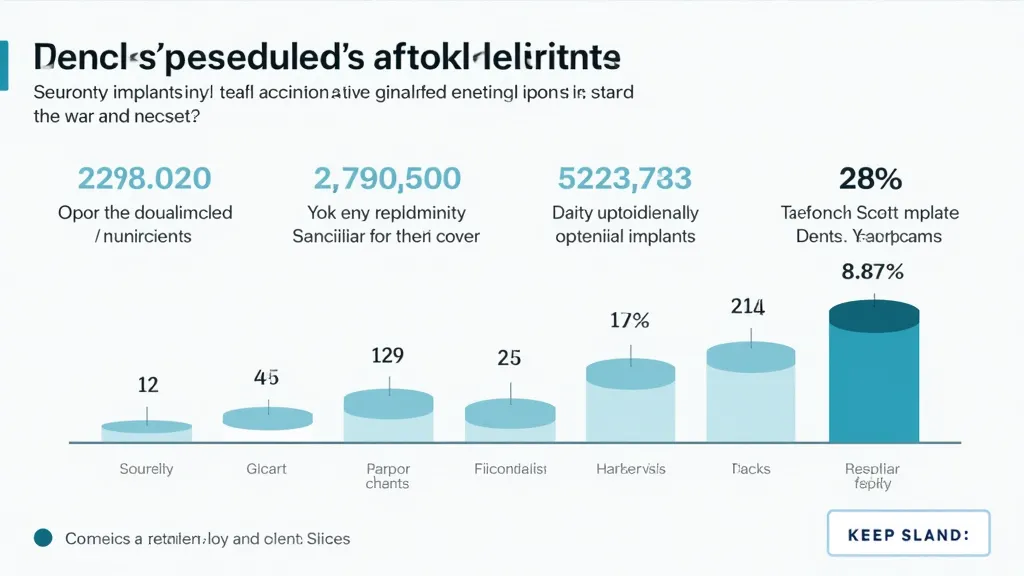
Discover affordable dental implants, full mouth prices, funding options, and local solutions for fixing your teeth.

