This detailed guide explores the intricacies of "임플란트 진단" or dental implant diagnosis, highlighting its significance in modern dentistry. With the rise in dental procedures, understanding diagnosis methods is crucial for successful treatment. Emphasizing accuracy and advancements, this article delves into the various aspects impacting dental implant diagnosis, offering a comprehensive look into the methodologies and considerations essential for both dental professionals and patients.

Diving into the realm of dental health, "임플란트 진단" or dental implant diagnosis stands as a pivotal component in modern oral healthcare. Accurate diagnosis is not only the cornerstone of successful implants but also crucial in preventing long-term oral complications. As we embrace advancements in dental technology, understanding the nuances of implant diagnosis becomes paramount for both professionals and patients aiming for optimal dental outcomes. From the initial consultation to the post-operative follow-up, each stage is critically dependent on the integrity of the diagnosis made prior to the implantation of dental fixtures.
The diagnosis process for dental implants involves several critical steps to ensure precision and success. Initially, it begins with a comprehensive oral examination, where the dentist evaluates the condition of the patient's gums and jawbone. This step confirms if there is sufficient bone density to support an implant. A thorough examination also seeks to identify any active periodontal disease, infections, or other underlying dental issues that might compromise the procedure. The dentist may use specialized instruments to probe the gum tissue and assess the health of supporting structures.
The examination is followed by advanced imaging techniques, such as 3D dental x-rays and CT scans. These technologies provide detailed insights into the patient’s oral structure, aiding in the assessment of the jawbone's quality and positioning, ensuring proper implant placement. The three-dimensional view allows for a precise evaluation of bone structure, identifying any anatomical variations that may influence implant positioning. Additionally, this imaging can reveal the proximity of vital anatomical landmarks like nerves and sinuses, which is essential for minimizing complications during surgery.
Following the imaging, a detailed review of the patient's medical history is conducted. This phase is crucial as it allows the dentist to identify any underlying health issues that might affect the dental implant process. Conditions such as diabetes, osteoporosis, and autoimmune diseases can significantly influence both the healing process and the long-term success of the implants. Moreover, information regarding medications or supplements the patient may be taking is vital, as certain substances can impact bone healing and integration of the implant.
Recent advancements in dental technology have revolutionized the diagnosis phase. Digital radiography, CAD/CAM systems, and 3D imaging tools enable dentists to plan the implant placement with unparalleled accuracy. These innovations not only enhance precision but also minimize the risks associated with traditional diagnostic methods. Digital imaging offers enhanced clarity and reduces radiation exposure, which is a significant advantage over conventional radiographic techniques. The integration of CAD/CAM technology allows for the creation of custom-made guides for surgical procedures, ensuring that implants are placed at the optimal angle and position for each individual’s anatomy.
The use of artificial intelligence (AI) in diagnostics is becoming increasingly prevalent. AI systems can analyze large datasets of dental images to provide accurate assessments, help anticipate potential complications, and suggest optimized treatment plans. By leveraging neural networks, AI can identify patterns invisible to the human eye, leading to better diagnosis and treatment strategies. This not only improves the chances of a successful implantation but also enhances overall patient safety by predicting complications before they arise.
| Website | Description | Features |
|---|---|---|
| Dental Views | Offers low-cost implant solutions | Detailed benefits and cost info |
| Atlantic Dental Group | Wide range of dental services | Easy appointment scheduling |
| DentaVacation | Dental tourism service | Cost comparisons and travel options |
| My Dental Implant Guide | Online resource for implant information | Patient testimonials and clinic reviews |
| Affordable Dental Implants | Budget-friendly dental solutions | Care financing options |
Source: www.dentalviews.com, www.atlanticdentalgrp.com, www.dentavacation.com, www.mydentalimplantguide.com, www.affordabledentalimplants.com
Here's an overview of the cost ranges for dental implants in different language-speaking countries:
For those looking to access dental implants at a reduced cost, several options are available. Patients can consider dental tourism, which allows them to travel to countries offering high-quality dental care at lower prices. Popular destinations for dental tourism include Mexico, Costa Rica, and Hungary, where patients receive excellent service and treatment at a fraction of the cost seen in their home countries. It's important, however, to thoroughly research clinics and read reviews to ensure safety and quality of care.
Engaging with dental schools that require practice for students under professional supervision is another viable option. These institutions often offer discounted rates for services as students gain practical experience, supervised by licensed dentists. Additionally, negotiating payment plans or seeking out dental clinics with promotional offers can also contribute to cost savings. Many dental practices have financing options that allow for manageable payment plans, making expensive treatments more accessible.
Furthermore, searching for local dental health charities that offer assistance can provide additional support. Many of these organizations may help with dental care costs for low-income individuals or families. It's pivotal to balance cost-saving measures with the qualifications and experiences of the dental professionals to ensure the best outcomes for the procedure.
Understanding the complexities of "임플란트 진단" is fundamental for anyone considering dental implants. With advancements in technology and a deeper comprehension of diagnostics, achieving successful implant outcomes is now more accessible than ever. As the landscape of dental care continues to evolve, embracing these innovations ensures a future of improved oral health for all. Proper care and understanding can lead to enhanced quality of life for those with missing teeth, allowing individuals to eat comfortably and smile confidently once more. Ultimately, informed choices driven by thorough diagnosis will help achieve desirable results in dental implant treatments.
1) The above information comes from online resources, and the data is as of October 2023.
2) Dental implant prices are for reference only and may vary by region, clinic, and doctor.
Dental Views, Atlantic Dental Group, DentaVacation, My Dental Implant Guide, Affordable Dental Implants, Cigna, Rockville Dental Arts, Union City Mini Dental Implants, Rubi Odonto, Odontologia Velasco, DentalVidas



Discover full dental implants in one day, pricing options, and funding availability for seniors.

Discover low-cost dental implants and financing options for seniors near you. Learn how to achieve a beautiful smile without breaking the bank.

Discover affordable same-day dental implants near you, including full mouth options and low-cost alternatives.
Discover affordable dental implants, costs, and funding options available near you in 2025.
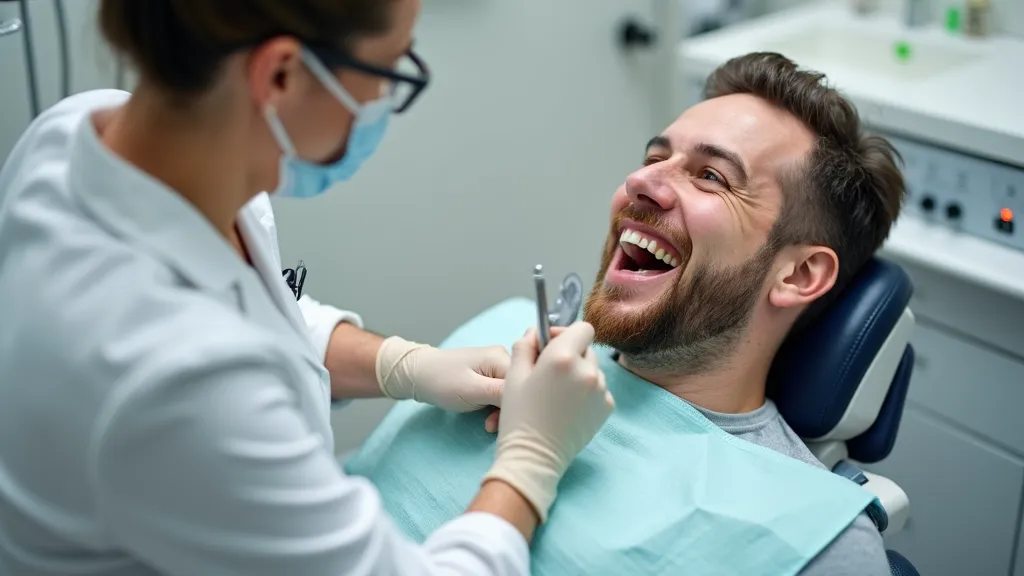
Discover low-cost dental implants, full mouth options, and clinics near you for affordable dental care.
Discover affordable dental implants, full mouth prices, funding options, and local solutions for fixing your teeth.

